
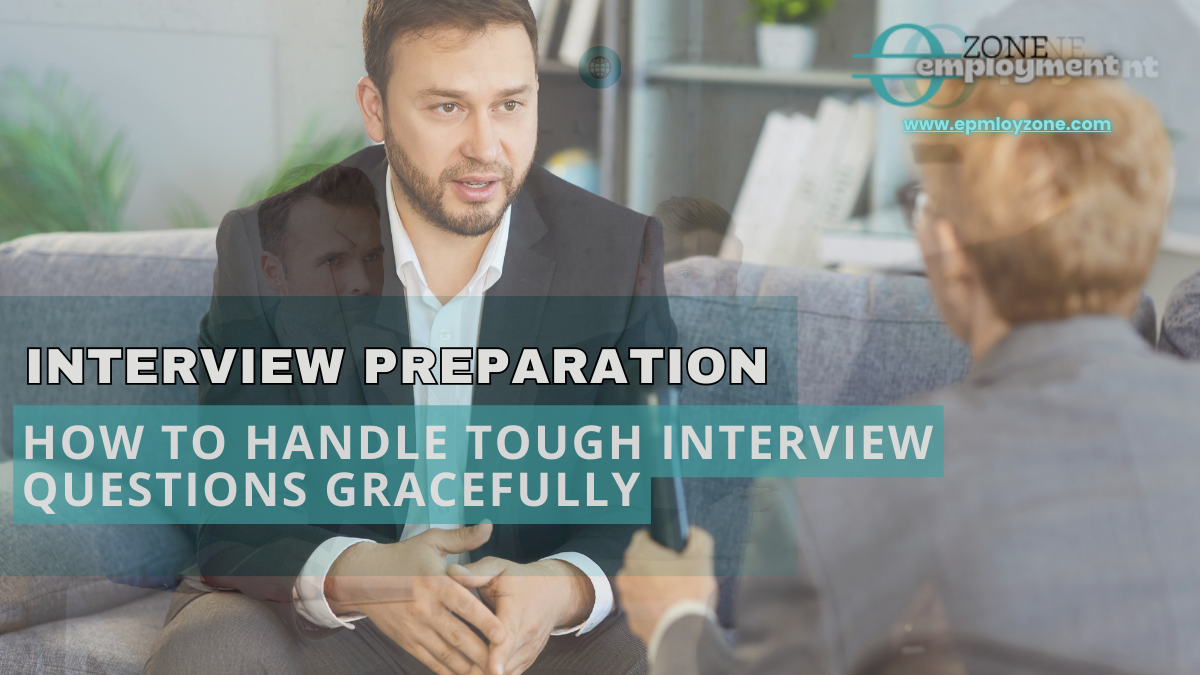
- How to Handle Tough Interview Questions Gracefully. Tough interview questions are a comon part of the hiring proces.
- They are desined to test more then technical knowlege or experiance.
- Interviewers use chalenging questions to evaluate problem solving ability emotional inteligence honesty and how candidates respond under presure.
- While these questions can feel intimidaiting they also offer oportunities to demonstrate profesionalism and confidence.
- Many candidates fear tough questions becuase they worry about saying the wrong thing or exposing weakneses.
- However interviewers are not necesarily looking for perfect answers.
- They are observing how candidates think comunicate and manage uncertanity.
- Graceful responses often mater more then flawless ones.
- This article explains how to handel tough interview questions gracefuly by focusing on mindset structure and comunication.
- With the right aproach dificult questions can become moments that strengthen rather then weaken your candidacy.
Also, Soft Skills That Can Transform Your Career Progress
Why interviewers ask tough questions
- Intervieers ask tough questions to gain deeper insight into a candidates character and thinking proces.
- These questions often reveal how someone reacts when faced with amiguity or challange.
- Employers want to uderstand how candidates apoach problem solving and decision making in real world situations.
- Tough questions also help interviewers asses honesty and self awareness.
- Questions about failures weakneses or conflicts encourage reflection and autenticity.
- Intervieers value candidates who can speak openly without beoming defensive.
- Understanding the purpose behind tough questions reduces fear.
- When candidates see these questions as evaluation tools rather then traps they respond more calmly and thoughtfully.
Recognizing diferent types of tough interview questions
- Not all tough interview questions serve the same purpose.
- Some focus on past challanges while others explore hipothetical scenarios or personal limitations.
- Recognizing the type of question being asked helps candidates frame apropiate responses.
- Behavioral questions often ask about dificult experinces or mistakes.
- Situational questions present hipothetical problems to evaluate judgement.
- Personal questions may explore motivation values or resilence.
- Identifying the question type allows candidates to organize thoughts more efectively.
- This awareness supports clarity and confidence during responses.
Managing initial reactons and staying composed
- The fist reation to a tough question can determine the quaity of the resonse.
- Surpize or anxiety may cause candidates to rush answes or lose focus.
- Learning to pause before responding is essencial.
- Taking a brief moment to breath and collect thoughts demonstrates composure.
- It signals confidence rather then hesitation.
- Interviewers often apreciate thoughtful pauses becuase they show reflection.
- Staying composed allows candidates to respond intentionaly rather then react emotionaly.
- Grace begins with calm presence.
Structuring answers to dificult questions
- Structured responses help manage complexity and reduce rambling.
- When candidates organize answers logicaly they comunicate more clearly and confidently.
- Providing context describing actions taken and reflecting on outcomes creates a complete and credible response.
- Even challanging topics become easier to explain when broken into parts.
- Structure provides control during presure moments.
- It ensures that responses remain focused and relevent rather then scattered.
Being honest without overshaing
- Honesty is critical when anwering tough interview questions but oversharing can weaken responses.
- Candidates should aim to be trthful while maintaining profesionalism.
- Sharing unnecsary details or emotinal explanations may distrct from the ain point.
- Interviewers are interested in insight and growth not pesonal struggles beyond profesional relevance.
- Balanced honesty builds trust.
- It shows maturity and self awareness without creating discomfort.
Turning weakneses and failures into growth stories
- Questions about weakneses or failures are among the most challanging.
- Many candidates fear that admiting mistakes will damage their chances.
- In reality these questions provide oportunities to demonstrate learning and resilence.
- Effective responses focus on what was learned and how behavior improved afterward.
- This shifts attention from the problem to personal growth.
- Interviewers value candidates who can reflect constructively on past challanges.
- Growth oriented responses signal adaptability and accountability.
Handling questions you do not know how to answer
- Some tough questions may catch candidates completly off guard.
- It is acceptable to admit uncertanity when done profesionaly.
- Acknowleging that you do not have an imediat answer and explaining how you would aproach the problem shows honesty and problem solving ability.
- Guessing or providing false information often creates more harm then good.
- Graceful handling of uncertanity demonstrates integrity.
- Employers apreciate candidates who know there limits and think logicaly.
Responding to presure or provocative questions
- Certain tough questions are desined to create presure or test emotional control.
- These may feel confrontational or challanging in tone.
- Maintaining calm and respectful comunication is essencial.
- Responding defensivly can create negative impressions.
- Remaining composed shows emotional inteligence.
- Grace under presure often leaves a strong impression.
- Interviewers notice candidates who can stay profesional even in uncomfortable moments.
Using language and tone to maintain confidence
- Language and tone play a critical role in how answers are percieved.
- Confident language avoids excesive qualifiers or apologies.
- Clear and steady togne reinforces credibility.
- Speakging calmly and at a measured pagce helps maintain control.
- Nervous speech paterns magy signal uncertanity even when content is strong.
- Intentional comunigcation strengthens grace.
- How sometng is said often mattegrs as much ashat is said.
Practising tough questions before the intrview
- Preparaton reduces anxiety and improves perfmance.
- Practicing responses to comon tough questions helps candidates become familiar with there own stories and lessons.
- Mock interviews or self practice improve clarity and confidence.
- Familiarity with dificult topics reduces emotional response during real interviews.
- Practice transfrms tough questions into manaeable converations.
- Prepation supports grace thrugh confidence.
Learning to listen before answering
- Active listening is especialy important when questions are complex.
- Misunderstanding a tough question can lead to irrelevent or confusing responses.
- Listening carefully allows candidates to adress the true intent of the question.
- Asking for clarification when needed shows thoughtfulness rather then weaknes.
- Strong listening skills improve accuracy and relevence.
- Graceful answers begin with understanding.
Ending tough answers on a positive note
- Even dificult responses should conclude positively.
- Ending with insight growth or future focus leaves interviewers with a constructive impression.
- Positive endings reinforce resilence and forward thinking.
- They help interviewers remember strength rather then struggle.
- Graceful conclusions turn tough questions into oportunities for impact.
- Learning how to handle tough interview questions gracefuly is an essencial interview skill.
- Tough questions are not obsticles but invitations to demonstrate maturity confidence and self awareness.
- Graceful handling comes from preparation calm mindset and thoughtful comunication.
- Interviewers value candidates who respond with honesty and composure rather then perfection.
- When aproached with confidence and intention tough interview questions become moments that strengthen candidacy and leave lasting positive impressions.